


Views: 0 Author: Site Editor Publish Time: 2026-05-06 Origin: Site


Spray Paint Type | Surface Type | Average Drying Time |
|---|---|---|
Acrylic | Wood/Metal | 15 to 30 minutes |
Enamel | Various | 1 hour to several days |
Oil-based | Wood/Metal/Plastic | 24 hours or more |
SAILGOAL Spray Paint stands out as a quick-drying spray paint, making your projects on metal, wood, or plastic much faster. Drying time can change based on paint type, surface, environment, and how thick you spray. If you want fast-drying spray paint for any project, SAILGOAL is a great choice. Keep reading for tips to get the best results every time.
Drying times for spray paint vary by type and surface. Acrylic dries in 15-30 minutes, while oil-based can take 24 hours or more.
Environmental factors like temperature and humidity significantly affect drying time. Aim for 68-77°F and 40-50% humidity for best results.
Apply thin coats of spray paint instead of thick ones. Thin layers dry faster and help achieve a smooth finish.
Always check if the paint is dry to the touch before handling. Wait 10-30 minutes, and test a small area first.
Use good airflow and avoid high humidity to speed up drying. Open windows or use fans to improve ventilation.
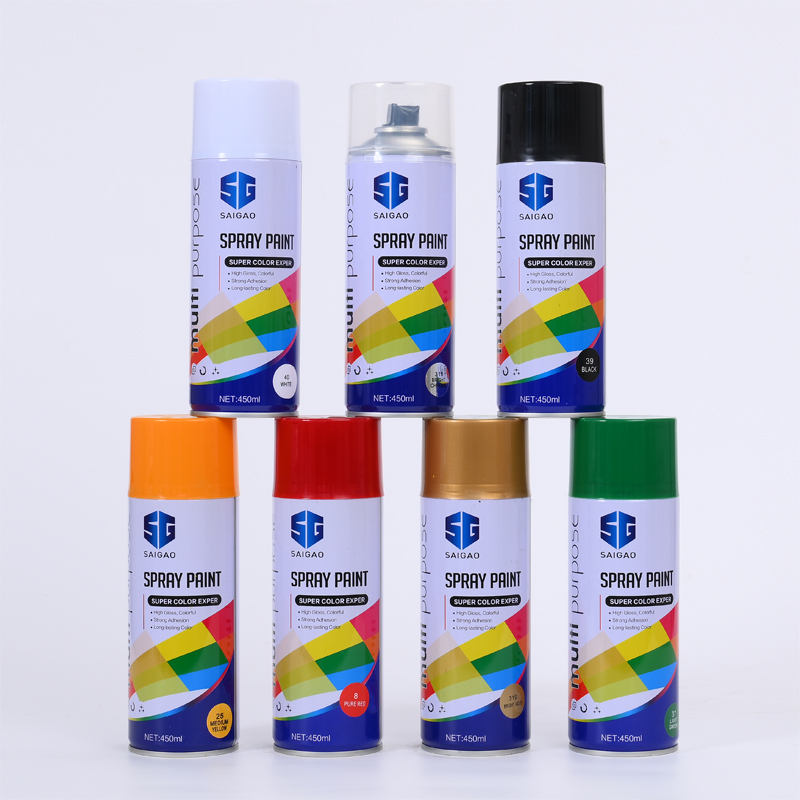
When you want your spray paint project to look great and finish fast, you need to know what affects the drying time. Let’s break down the main factors so you can get the best results every time.
The type of spray paint you choose makes a big difference. Some paints dry faster than others because of their chemical makeup. For example, acrylic spray paint usually dries to the touch in 15 to 30 minutes. Oil-based spray paint takes much longer, sometimes up to 24 hours or more. Latex spray paint is another option, and it often dries quickly but may need more time to fully cure. SAILGOAL Spray Paint uses a quick-drying formula, so you can finish your projects faster and move on to the next step without waiting around. If you want fast-drying spray paint, always check the label for drying time details.
The surface you spray on also changes how long it takes to dry. Here’s a quick look at dry times by paint type and surface:
Surface | Dry to Touch | Full Cure Time |
|---|---|---|
Wood | 1-2 hours | 24 hours |
Metal | 2-4 hours | 24-48 hours |
Plastic | 30 min - 1 hour | 24-48 hours |
If you spray paint on wood, it usually dries to the touch in about 1-2 hours. Metal takes a bit longer, and plastic dries the fastest. Always plan your project based on the surface you’re working with.
Where you paint matters a lot. Temperature, humidity, and airflow all play a role in the drying time of spray paint. Warm temperatures help paint dry faster. If the air is humid, drying slows down. Good airflow speeds things up and keeps dust away. Check out this table for more details:
Environmental Factor | Effect on Drying Time |
|---|---|
Temperature | Higher temps = faster drying (10°C increase = 50% faster) |
Humidity | High humidity slows drying by 2-3x |
Airflow | Gentle fan helps paint dry evenly and quickly |
For optimal drying conditions, aim for a temperature around 68-77°F (20-25°C) and humidity between 40-50%. Too much humidity or cold air will slow things down.
How thick you spray matters, too. If you spray a heavy coat, it takes longer to dry. Thin, even layers dry much faster. Try spraying several light coats instead of one thick one. This way, you get a smooth finish and save time.
Tip: Always let each coat dry before adding another. This helps you avoid sticky or uneven results.
Knowing these factors helps you control the drying time and get the best finish for your spray paint project.
You might wonder why some spray paint dries faster than others. The answer often comes down to the type of paint you use. Acrylic spray paint is a favorite for many projects because it dries quickly. You can expect acrylic spray paint to be dry to the touch in about 15 to 30 minutes. It usually reaches a full cure in 24 hours. This means you can handle your project sooner and finish faster.
Enamel spray paint takes a bit longer. It often needs about an hour to become touch dry. Sometimes, it can take several days to fully cure, especially if you spray thick coats. Lacquer spray paint dries fast on the surface, sometimes in just 10 minutes, but you should still wait for a full cure before heavy use.
If you want a spray paint that saves you time, SAILGOAL Spray Paint is a great choice. It uses a quick-drying formula that works well for both professionals and DIY fans. You can use it on many surfaces and enjoy easy and fast drying.
The material you spray makes a big difference in drying time. Here’s what you need to know:
SAILGOAL Spray Paint works well on metal, wood, and plastic.
You get easy and fast drying on all these surfaces.
You can use it for furniture, tools, crafts, and more.
Let’s look at the average drying time for each surface:
Surface | Dry to Touch | Fully Cured Time |
|---|---|---|
Metal | About 10 minutes | 24-48 hours |
Wood | 1-2 hours | 24 hours |
Plastic | 30 min - 1 hour | 24-48 hours |
If you spray paint metal, you’ll notice it becomes dry to the touch in about 10 minutes. Wood takes a little longer, usually 1 to 2 hours. Plastic sits in the middle, drying in about 30 minutes to 1 hour. Always check the drying time of spray paint on your surface before handling or recoating.
You might see two different times on a spray paint can: dry to the touch and fully cured. These mean different things. Dry to the touch means you can gently touch the surface without paint coming off on your finger. Fully cured means the paint has reached its maximum hardness and durability.
Here’s a simple table to help you understand the difference:
Type of Spray Paint | Dry to Touch Time | Fully Cured Time |
|---|---|---|
Acrylic | About 30 minutes | 24 hours |
Latex and Oil Based | About 8 hours | Not specified |
Surface (Metal) | About 10 minutes | Not specified |
Surface (Wood) | 1 to 2 hours | 24 hours |
For SAILGOAL Spray Paint, you get a surface dry within 10 minutes at 25°C and a full cure within 24 hours. This quick turnaround helps you finish projects faster and with less waiting.
Tip: If you want to know how long does spray paint take to fully cure, always check the label and give your project enough time before heavy use.
When you understand the difference between touch dry and fully cure, you can plan your work better. You avoid smudges and get a smooth, lasting finish. Spray paint drying times can change based on the type and surface, so always check before moving to the next step.
You can make spray paint dry to the touch much faster by changing your surroundings. Warm and dry air helps paint dry quickly. If you paint in a cold or humid room, drying slows down. Try to keep the temperature steady and avoid painting on rainy days. Open windows or use a fan to boost airflow. This pushes away moisture and helps the paint dry to the touch. If humidity is high, a dehumidifier can help. Make sure the dew point stays at least 10°F lower than the surface temperature. Good ventilation and stable conditions improve spray paint drying times and give you a smooth finish.
You can speed up drying time with smart painting techniques. Always spray thin coats instead of thick ones. Thin layers dry to the touch faster and look better. Hold the can about six inches from the surface and move your hand in steady strokes. If you want to dry paint even quicker, use a hairdryer or heat gun on a low setting. Move it slowly and keep it at a safe distance. Sunlight can help, but avoid direct sun to prevent uneven drying. Choose spray paint labeled as fast-drying for the best results.
Tip: Thin coats and good airflow are your best friends for quick drying.
Professionals use special tools to check dryness and speed up the process. Here’s a handy table:
Method/Tool | Description |
|---|---|
Environmental Temperature | Raise the temperature to help paint dry to the touch faster. |
Environmental Humidity | Lower humidity to speed up drying. |
Environmental Airflow | Use fans to move air and remove moisture. |
Use of Accelerators or Additives | Add chemicals to paint for quicker drying. |
Specialty Curing Equipment | UV lamps and infrared heaters create perfect conditions for rapid curing. |
If you use these tools and tips, you can finish your spray paint project in less time and enjoy a great result.
You want to know if your spray paint is dry before you move on. The best way is to use your eyes and your fingers. Here’s how you can check:
Look at the surface. If you see a matte finish, the paint is likely dry. Glossy or wet-looking spots mean it needs more time.
Lightly touch a small area with your fingertip. If it feels tacky or leaves an imprint, you need to wait longer.
Think about the room. High humidity or low temperature can slow down drying. If the air feels damp or cold, give your project extra time.
Tip: Always test a hidden spot first. This helps you avoid marks on the main surface.
You might wonder how long should you wait before applying a second coat. Most spray paint lets you recoat within 30 minutes to 2 hours. If you miss this window, wait until the first layer reaches a full cure, which can take 24 to 72 hours. Rushing can cause problems like cracking or bubbling, especially with enamel paints.
Here’s a quick checklist for safe handling:
Wait until the paint is dry to the touch (usually 10-60 minutes).
Recoat within one hour or after 24 hours for best results.
Always check the instructions on your spray paint can.
Use thin coats and let each layer dry before adding another.
Keep the area well-ventilated and at a moderate temperature.
Note: Waiting the full dry time gives you a smoother, longer-lasting finish.
Many people make simple mistakes when using spray paint. Here are a few to watch out for:
Touching or handling the surface too soon. If you wonder what happens if you touch spray paint before it's dry, you might see fingerprints, smudges, or even ruin the finish.
Spraying thick coats. This slows drying and can cause drips.
Painting in direct sunlight or high heat. This can lead to bubbles or uneven drying.
Ignoring the environment. High humidity or poor airflow can make drying take much longer.
Stay patient and follow these tips. You’ll get a smooth, professional look every time.
You now know how long does spray paint take to dry and what affects the process. Drying time depends on humidity, temperature, paint type, and ventilation. SAILGOAL Spray Paint gives you a quick-drying option for metal, wood, and plastic. If you want the best results, try these tips:
Use fast-drying formulas.
Keep humidity and temperature in check.
Make sure your workspace has good airflow.
Apply three thin coats instead of one thick coat.
Wait 10 minutes between coats.
Let your project dry for 24-48 hours.
Follow these steps and you’ll get a smooth finish every time.
You can usually touch your project after 10 to 30 minutes. Always check if the surface feels dry and not sticky. If it still feels tacky, give it more time.
Yes, you can use a hairdryer on a low setting. Keep it moving and don’t hold it too close. This helps the paint dry faster and prevents bubbles.
If you spray too many coats, the paint may drip or stay sticky. Try to use thin layers. Let each coat dry before adding the next one.
You can use spray paint indoors if you have good airflow. Open windows and use fans. Always wear a mask to protect yourself from fumes.
The paint is fully cured when it feels hard and smooth. This can take up to 24-48 hours. Wait before using or moving your project.

