


Views: 0 Author: Site Editor Publish Time: 2026-08-25 Origin: Site


Working with Medium-Density Fiberboard (MDF) presents unique assembly challenges for carpenters and manufacturers alike. Its highly porous, dust-prone composition acts exactly like a sponge. This makes standard wood glues highly inefficient. They simply cannot provide the reliable, fast-paced assembly today's busy shops demand. You need a specialized solution to keep production moving forward without interruption. Enter two-part Cyanoacrylate systems. They deliver instant, structural-grade bonds on contact. You completely eliminate prolonged clamping times and shop floor bottlenecks. By using the right MDF adhesive, you secure durable joints in seconds rather than hours. This comprehensive article explores everything you need to know. We will clearly define what makes a high-quality CA glue and activator pairing. You will learn how to evaluate bulk industrial options against standard commercial kits. Finally, we cover critical implementation factors. These field-tested best practices will help you prevent joint failure and scale your daily production efficiently.
Mechanism: Two-part MDF adhesive systems use a high-viscosity CA glue combined with an aerosol activator to force an instant, gap-filling cure (typically under 10 seconds).
Efficiency: Eliminates clamping time and prevents the adhesive from being absorbed into the porous edge of the MDF.
Scalability: Solutions range from commercial-grade 705 MDF adhesive kits for contractors to bulk OEM MDF adhesive for high-volume furniture manufacturing.
Risk Mitigation: Proper application requires exact ratios; over-saturating with activator leads to brittle, crystallized joints.
Medium-Density Fiberboard consists of highly compressed wood fibers blended with synthetic resins. Its exposed end-grain acts like a thirsty sponge. When you apply traditional PVA (Polyvinyl Acetate) glue, the porous material absorbs it immediately. The liquid vehicle vanishes deep into the core before a proper surface bond can form. This creates starved joints. They lack the necessary surface tension and strength for robust cabinetry or trim work. You end up applying multiple coats just to prime the edge, wasting valuable time.
This rapid absorption leads directly to severe clamping bottlenecks. Water-based wood glues require significant evaporation time to cure. In high-output environments, you simply cannot afford to wait 30 to 60 minutes per joint. Cabinet makers and assembly line workers lose precious production hours waiting for glue to dry. Heavy clamps take up massive amounts of physical space on the shop floor. They also slow down the entire workflow, causing downstream delays.
To solve this fundamental flaw, modern shops are making a critical shift. They regularly upgrade to a specialized industrial adhesive. Fast-curing cyanoacrylate solutions offer unmatched operational efficiency and lasting structural integrity. They handle tricky mitre and corner joints perfectly. You hold the aligned pieces together for seconds, and the assembly moves immediately to the next station.
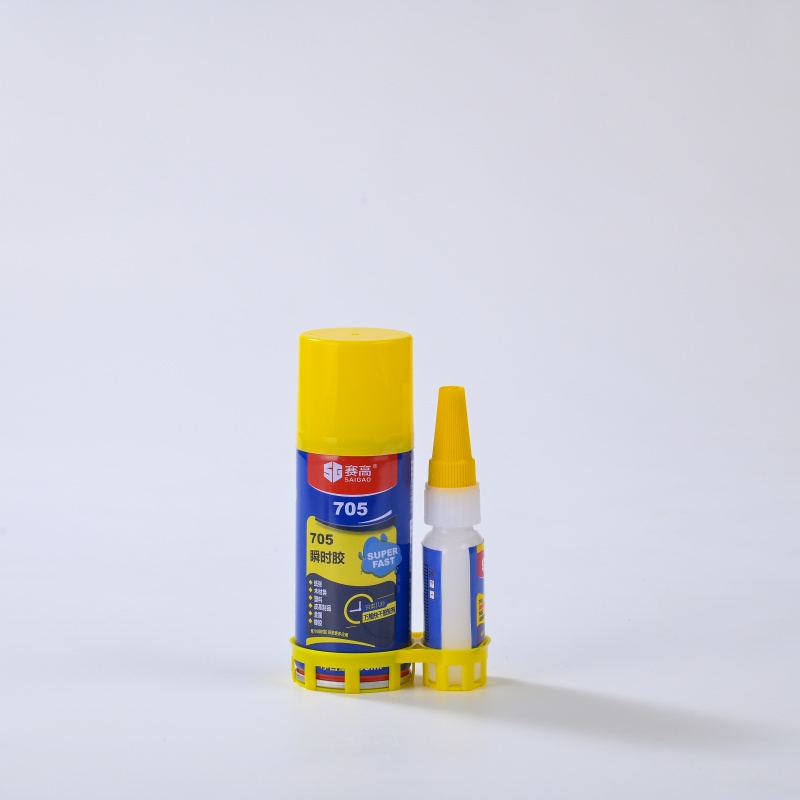
You cannot use thin, watery super glues on fiberboard. They sink right into the material just like PVA. Instead, you need a high-viscosity ethyl cyanoacrylate. This thick, gel-like formulation stays right on the surface. It bridges the microscopic gaps inherent in porous MDF panels. The thick gel consistency prevents the liquid from soaking away into the fibers. You get a strong, visible bead ready for immediate bonding.
Next comes the chemical trigger. The aerosol accelerator plays a vital role in this two-part system. Manufacturers add acidic stabilizers to CA glue during production. These stabilizers keep the liquid from hardening prematurely inside the bottle. When you spray the activator, it neutralizes those internal acids instantly. This introduces a violent, rapid polymerization process. You effectively force an immediate cure on demand, exactly when you want it.
Here is the standard operating procedure for consistent, professional results:
Apply a continuous bead of high-viscosity gel to one substrate surface.
Spray a light, even mist of activator onto the opposite surface from 8 to 12 inches away.
Bring both pieces together quickly and align them accurately.
Press the joint firmly for 5 to 10 seconds until the chemical reaction locks.
This systematic sequence guarantees a permanent hold. It keeps the volatile chemical reaction isolated until the exact moment of physical assembly.
Not all cyanoacrylates perform equally well on synthetic fiberboards. You must evaluate several technical criteria before committing to a specific brand. First, closely examine the viscosity rating. Chemists measure this flow resistance in centipoise (cps). Low-viscosity fluids sit around 5 to 50 cps. They run like water. For MDF applications, gel formulations are non-negotiable. You need a rating strictly between 1,200 and 1,500 cps. This exceptional thickness ensures the liquid remains pooled on the porous surface.
Second, balance the cure speed against your required open time. A faster flash cure boosts overall productivity. However, you need enough working time to align complex corner joints. High-quality systems offer roughly a 3-second open time before the accelerator triggers the hard freeze.
Third, consider shear strength and long-term durability. Cyanoacrylates create highly rigid, crystalline bonds. They handle lateral shear stress exceptionally well. But keep your structural expectations realistic. These hardened bonds do not tolerate high flex or extreme structural movement. For dynamic load-bearing joints, you should incorporate mechanical fasteners alongside the chemical bond.
Finally, packaging dictates product shelf life and limits material waste. Poor applicator tips clog easily, ruining half-full bottles. High-quality bottles feature anti-clog, pin-in-cap nozzle designs. The propellant quality in the aerosol spray also matters immensely. A premium propellant ensures an even mist and prevents the accelerator from degrading prematurely inside the metal can.
Viscosity Type | CPS Rating Range | Primary Target Application | MDF Suitability |
|---|---|---|---|
Low (Thin) | 1 - 50 cps | Hairline cracks, non-porous plastics | Poor (Absorbs instantly) |
Medium | 100 - 500 cps | Hardwoods, tight-fitting joints | Fair (Requires heavy application) |
High (Gel) | 1,000 - 1,500+ cps | Porous woods, MDF, gap-filling | Excellent (Stays on surface) |
When shopping for reliable field solutions, one classification stands out entirely. The 705 MDF adhesive kit has become an absolute industry standard. Carpentry and millwork professionals trust it daily on job sites. It delivers the perfect balance of gap-filling viscosity and fast-acting acceleration. Many formulations in this series also feature non-yellowing properties, keeping exposed seams clean.
This specific formulation excels in several primary use cases. Carpenters rely on it heavily for installing overhead crown molding and delicate baseboards. Holding heavy trim against a ceiling while waiting for glue to dry is impossible. The 705 series locks it in seconds. Cabinet makers use it to assemble face frames quickly before pocket screwing. It also serves as an excellent tool for building temporary shop jigs. Whenever you need an instant, rigid hold, this kit performs flawlessly.
Performance metrics clearly show why it leads the commercial market. A standard dual kit yields hundreds of small joint connections. It fills irregular gaps up to 0.2 mm wide seamlessly. For optimal reliability, apply it in ambient temperatures between 40°F and 90°F. The 705 series maintains its extreme grip strength consistently across these varied environmental conditions.
Standard retail kits work perfectly for independent field contractors. Large-scale manufacturers, however, face entirely different operational challenges. Furniture factories and architectural millwork shops consume massive quantities of cyanoacrylate daily. Buying individual 50-gram bottles becomes cost-prohibitive. It is also highly inefficient for assembly line workers. These high-output operations must transition to high-volume procurement strategies.
Partnering directly with specialized chemical manufacturers opens up custom production possibilities. When you source a bulk OEM MDF adhesive, you gain significant leverage. You can request white-labeling to match your own corporate brand. You can also dictate custom viscosity formulations tailored to your exact automated pneumatic dispensers. Furthermore, bulk packaging options change the financial game. Purchasing raw materials in large drums or intermediate bulk containers drastically reduces plastic waste and lowers your unit costs.
Scaling up your usage requires strict attention to compliance and factory safety. Factory floors use high volumes of aerosol chemical accelerators. You must evaluate the Safety Data Sheets (SDS) thoroughly before implementation. Monitor Volatile Organic Compound (VOC) emissions closely across the facility. Establish robust workplace ventilation requirements. Proper overhead extraction systems protect your assembly line workers from continuous vapor exposure.
Even the most expensive chemicals fail if applied incorrectly. Meticulous surface preparation dictates your assembly success. MDF cutting generates incredibly fine, powdery dust. This microscopic dust creates a severe physical barrier on the end-grain. If you apply thick glue directly over dust, the chemicals bond to the loose particles instead of the solid wood. You must blow all joining surfaces clean with compressed air. Alternatively, wipe them down thoroughly with a dry tack cloth before application.
Next, you must actively avoid the "over-spraying" fallacy. Many inexperienced users assume more activator automatically equals a stronger bond. This is entirely false. Excess accelerator ruins the delicate chemical reaction. Here is exactly what happens when you oversaturate the joint:
The joint experiences immediate "blooming," leaving an ugly white powdery residue around the seam.
The liquid rapidly bubbles and boils, creating hollow air pockets inside the bond.
The final cure becomes highly crystallized and shatters under minor physical stress.
Excess aerosol wastes money and rapidly depletes your expensive accelerator supply.
Finally, strictly follow established health and safety protocols. The rapid curing process creates a powerful exothermic reaction. It generates highly noticeable heat, which can cause minor burns through thin latex gloves. It also produces irritating chemical fumes. Wear proper safety glasses to protect your eyes from stray aerosol mist. Use thick nitrile gloves to prevent accidental skin bonding. Always work in a well-ventilated space to disperse the strong odors quickly.
Pairing a high-viscosity CA glue with an aerosol activator remains the definitive method for bonding porous MDF rapidly. This specialized chemical combination entirely eliminates the frustrating delays associated with traditional water-based glues. You achieve immediate, rigid structural holds without the daily hassle of heavy clamping.
Take proactive action to improve your assembly workflow today. If you run a small crew or field contracting business, procure a standard 705 kit. Run extensive field tests on scrap fiberboard to master your spray ratios. If you represent an enterprise furniture manufacturer, contact your chemical supplier immediately. Request detailed technical data sheets and physical samples for bulk OEM formulations. Transitioning to these advanced adhesive systems will drastically reduce your assembly time and elevate your final product quality.
A: Yes, it will eventually cure on its own over time. However, MDF is incredibly porous. The end-grain acts like a sponge and will absorb the liquid before a strong surface bond forms. This completely defeats the purpose of using cyanoacrylates. The accelerator forces an instant cure before absorption occurs, ensuring a rigid hold.
A: Absolutely. These high-viscosity formulations provide excellent multi-purpose utility. They bond exceptionally well to solid hardwoods, rubber, hard plastics, and leather. Just remember that different materials might require different working times. The thick gel consistency makes it highly versatile for almost any porous or irregular surface.
A: No, it is not completely waterproof. These cyanoacrylate bonds are highly water-resistant and handle occasional moisture well. However, we do not recommend them for continuous submersion. They will also fail over time under harsh exterior weather exposure unless you seal the finished joint properly with exterior paint or polyurethane.
A: This whitening effect is known as "chlorosis" or blooming. It happens when you apply far too much activator to the wood surface. It can also occur if you assemble parts in high-humidity conditions. The excess chemical causes the glue to boil and crystallize rapidly, leaving a weak, powdery, and brittle joint.

