


Views: 0 Author: Site Editor Publish Time: 2026-10-15 Origin: Site


Many DIYers and industry professionals rely on aerosols for quick surface transformations. They often assume standard paints provide a permanent shield against heavy rain. However, most off-the-shelf options are merely water-resistant. They are not truly waterproof unless you follow rigorous surface preparation protocols. A successful protective coating must deliver unyielding adhesion and long-term environmental durability. It also needs robust UV resistance to survive outdoors. We cannot rely solely on aesthetic coloring for protection. Without proper chemical layering, even premium exterior paints degrade rapidly. This article provides a transparent, evidence-based evaluation framework. We will help you choose the correct chemical formulations for moisture-heavy environments. You will discover exactly how to build a lasting defense against the elements. Applying a true waterproof spray paint system requires patience, but the long-term durability is absolutely worth the effort.
Standard spray paint requires a dedicated primer and clear topcoat to achieve true waterproof capabilities.
Automotive spray paint and oil-based enamels offer the highest baseline moisture resistance compared to water-based formulas.
Acrylic spray paint is highly vulnerable to standing water and requires a non-yellowing polyurethane or acrylic sealer for outdoor durability.
Surface porosity (e.g., raw wood vs. metal) dictates the failure rate; smooth surfaces require aggressive mechanical prep (sanding) for the paint to bond and resist water intrusion.
Consumers frequently fall into the marketing gap between weather-resistant and waterproof claims. Brands label aerosols as weather-resistant when they survive occasional light rain. These formulas handle brief moisture exposure effectively. However, they fail under extreme, prolonged conditions. True waterproofing means the coating withstands standing water. It must survive heavy downpours or partial submersion without blistering. You must understand this distinction before starting your exterior projects. Setting realistic expectations saves significant time and money.
We evaluate these coatings using the Moisture Vapor Transmission Rate (MVTR). The MVTR measures how easily water vapor passes through a cured paint film. Standard aerosols possess high MVTRs. They act like microscopic sponges. They allow humidity to slowly penetrate the surface layer. Once water vapor reaches the underlying substrate, the paint loses its chemical bond. It eventually peels or flakes away completely. You need specialized sealers to lower the MVTR. Lowering this transmission rate blocks moisture completely.
We also need a practical evaluation lens. Think of aerosol paint as a thin surface film. It is not a structural waterproofing membrane. It provides a defensive barrier on the very top of your material. It will inevitably fail if the substrate shifts or cracks. The most durable finish cannot save rotting wood. It cannot repair heavily corroded steel. You must address underlying structural issues first. A protective topcoat relies entirely on the stability of its foundation.
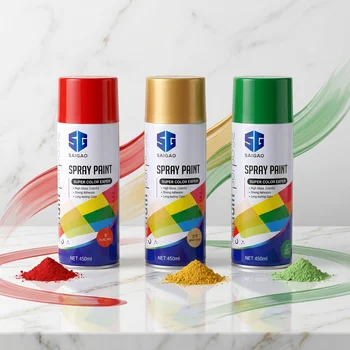
Not all aerosol cans contain the same chemical backbone. Choosing the wrong formula guarantees premature failure in wet environments. We can break down the primary categories based on their moisture defense capabilities. Understanding these differences helps you select the perfect product.
First, consider water-based options. Acrylic spray paint dominates the consumer market for good reason. It offers fast drying times and low VOC emissions. It also boasts excellent flexibility. This flexible nature prevents cracking as temperatures fluctuate throughout the year. However, acrylics are highly permeable by design. They absorb water easily if left unprotected outdoors. You must apply a heavy-duty topcoat for exterior applications. They perform best on covered patios. Keep them away from direct, continuous rainfall.
Next, we look at alkyd and oil-based enamels. These formulas dry into a hard, plastic-like shell. They offer superior moisture blocking right out of the can. Water beads up and rolls off the surface easily. The hard shell resists scratches and daily wear remarkably well. However, these benefits come alongside clear trade-offs. Oil-based enamels require significantly longer cure times. They also become brittle over time under intense UV radiation. The hard shell may eventually chalk or chip in direct sunlight.
Finally, we evaluate urethane and epoxy blends. Applying automotive spray paint represents the gold standard for elemental protection. Manufacturers design these formulas specifically for harsh environments. They withstand aggressive weather, corrosive road salt, and constant moisture. They deliver commercial-grade durability for serious applications. This premium choice makes logical sense for high-stakes outdoor projects. The intense chemical cross-linking blocks water penetration entirely. Just remember to wear proper safety gear. You must use organic vapor respirators during application.
Table 1: Spray Paint Formula Comparison Matrix
Formula Base | Base Moisture Resistance | Ideal Application | Topcoat Required? |
|---|---|---|---|
Water-Based Acrylic | Low (Highly Permeable) | Covered patios, indoor decor | Yes (Mandatory for outdoors) |
Oil-Based Enamel | High (Water beads easily) | Outdoor furniture, heavy-use items | Recommended (For UV protection) |
Automotive Urethane/Epoxy | Exceptional (Commercial grade) | Vehicle parts, high-stakes exposure | Depends on specific system |
Moisture affects different materials in radically different ways. The underlying surface dictates how your coating will perform over time. You cannot treat steel, wood, and plastic identically. Each substrate demands a tailored preparation approach.
Let's examine metal surfaces first. We must differentiate between ferrous and non-ferrous metals. Ferrous metals face a severe, constant risk. Moisture plus oxygen equals rapid rust. A proper metal spray paint must include rust-inhibitive compounds. Zinc and galvanized formulas work exceptionally well to combat oxidation. The biggest risk lies in microscopic film scratches. Even a tiny scratch allows water to bypass the coating. Once moisture enters, rust blooms beneath the surface. It destroys the metal from the inside out. You must build adequate film thickness to prevent this intrusion.
Wood presents a completely different challenge. It is a highly porous natural material. Wood fibers act like microscopic straws. They pull humidity deep into the grain. The material constantly expands and contracts as the weather changes. Hard oil-based enamels struggle on bare wood. The rigid paint layer often cracks as the wood swells. Flexible acrylics usually perform much better here. You must seal them properly, of course. Pay special attention to the end-grains of the boards. These exposed areas absorb water exponentially faster. They require heavy, redundant sealing to survive outside.
Plastic and PVC materials introduce significant adhesion hurdles. They are non-porous and incredibly smooth. Most coatings simply sit on top without bonding chemically. The paint easily delaminates. It peels off in sheets when exposed to water. You must use an adhesion promoter. A specialized plastic primer also works perfectly. This creates a chemical bite. It fuses the topcoat directly to the slippery plastic surface. Skipping this critical step guarantees coating failure during the first heavy rain.
Achieving a flawless, waterproof finish requires a systematic approach. You cannot rely on a single coat of color. We break this process down into three non-negotiable phases. Following these steps ensures maximum durability.
Preparation separates professional results from amateur failures. You must create a physical profile for the paint to grip securely.
Begin by aggressively abrading the surface. Scuff the entire area thoroughly using 220-grit sandpaper.
Remove all sanding dust entirely. Use a clean microfiber cloth or a sticky tack rag.
Perform a rigorous solvent wipe-down. Use isopropyl alcohol or a dedicated wax remover.
This final wipe eliminates invisible oils, fingerprints, and silicone residues. Water-based products aggressively repel away from these oils. This causes ugly fish-eyes and severe adhesion loss.
You must apply a high-quality primer before spraying any color. Primer serves as the critical bridge. It links your raw substrate to the final topcoat. It functions as a dedicated barrier layer. On wood, primer blocks tannin bleed. It prevents ugly brown stains from ruining your bright colors. On steel, an etching primer halts oxidation before it begins. Do not skip this step under any circumstances. Primer chemically bites into the sanded profile much better than standard color coats.
The final stage involves clear coating. You must apply a UV-resistant clear topcoat. Products like catalyzed clear coats or marine-grade polyurethanes work best. This clear layer becomes your sacrificial shield. Here is a crucial implementation reality. The clear coat takes the elemental abuse, not the colored base coat. The clear layer absorbs the UV radiation. It deflects the rain and resists physical impacts. Applying three solid coats drastically extends the lifespan of your project.
Even excellent preparation cannot save poor application techniques. Specific errors ruin exterior finishes rapidly. We frequently see projects fail due to simple misunderstandings. Environmental conditions play a massive role in success.
First, you must understand the difference between dry time and cure time. A coating might feel dry to the touch in just twenty minutes. However, the internal cross-linking process takes much longer. Full curing typically demands anywhere from seven to thirty days. Exposing the piece to heavy rain before it fully cures guarantees failure. The uncured resins will absorb moisture. This leads to a cloudy, weakened finish. You must protect the item indoors until the chemical structure hardens completely.
Trapped moisture delamination destroys finishes overnight. Spraying over damp wood guarantees disaster. Applying aerosols in environments having high humidity also traps water vapor directly under the film. As temperatures rise, the trapped moisture attempts to escape as gas. This internal pressure causes immediate blistering. Bubbles form across the entire surface. Always monitor humidity levels closely. Ensure your materials are bone dry before spraying.
Finally, watch out for incompatible chemical layers. You must never mix aggressive solvent bases over weaker formulas. Spraying a harsh automotive clear coat over a delicate water-based base ruins the project. The strong solvents re-wet and dissolve the layers underneath. This chemical reaction causes severe wrinkling. It leads to lifting and cracking. Always test your layers on scrap material before committing to the final piece.
Your final finish is only as waterproof as its surrounding system. You cannot achieve true elemental defense by simply spraying color onto an unprepared surface. Success requires dedicated mechanical preparation. It demands a strong primer base and a resilient clear sealant. We recommend auditing your project's exact environment before buying supplies. Determine whether the item will face direct, standing rain or just ambient outdoor humidity. Once you assess the risk, prioritize purchasing a matched system. Buy your primer, base color, and clear coat from the exact same manufacturer line. This strategy prevents disastrous chemical incompatibilities. Take the time to properly cure your project before moving it outdoors. A meticulous approach guarantees a durable finish. It builds a waterproof defense capable of withstanding the harshest weather.
A: No. Aerosol paints lack the continuous membrane thickness required for areas with standing water and heavy chemical exposure (shampoos/cleaners). Use specialized epoxy or tub/tile refinishing kits.
A: It makes it highly water-resistant, suitable for garden decor and rain exposure, but it will not survive continuous submersion (like inside a birdbath).
A: At least 24 to 48 hours to survive a light rain, but full waterproof characteristics are not reached until the 7 to 14-day curing process is complete.
A: It creates a highly water-resistant barrier that stops oxidation, but if the coating is chipped or applied too thin (under 2-3 coats), moisture will penetrate.

